A historical replacement list can identify a candidate panel, but it does not prove current supply or compatibility with a particular machine. Keep the full old code, including its interface suffix, and compare the proposed target against the cabinet, PLC connection and engineering project. The sections below distinguish recorded suggestions, unavailable matches and conflicting entries so that an uncertain mapping is not presented as a confirmed replacement.
Read the Historical List and Its Limits
The source material includes a user-provided image titled List of discontinued models of Kinco HMI and third-party reproductions. Its original issuing date and status as a current manufacturer document are not established. Repeated copies may share a source, so matching entries do not amount to independent engineering verification. This guide therefore presents a limited example and individual review tasks rather than publishing the complete historical mapping as an approved selection table.
A Listed Suggestion Is Not a Drop-in Compatibility Claim
YES means that the historical material contains a suggestion. NO means that no corresponding suggestion is established by that row; it does not prove that no engineering solution can ever exist. Neither status confirms current availability, cabinet fit, software conversion or a supported PLC driver. Obtain the applicable contemporary documentation for a proposed target.
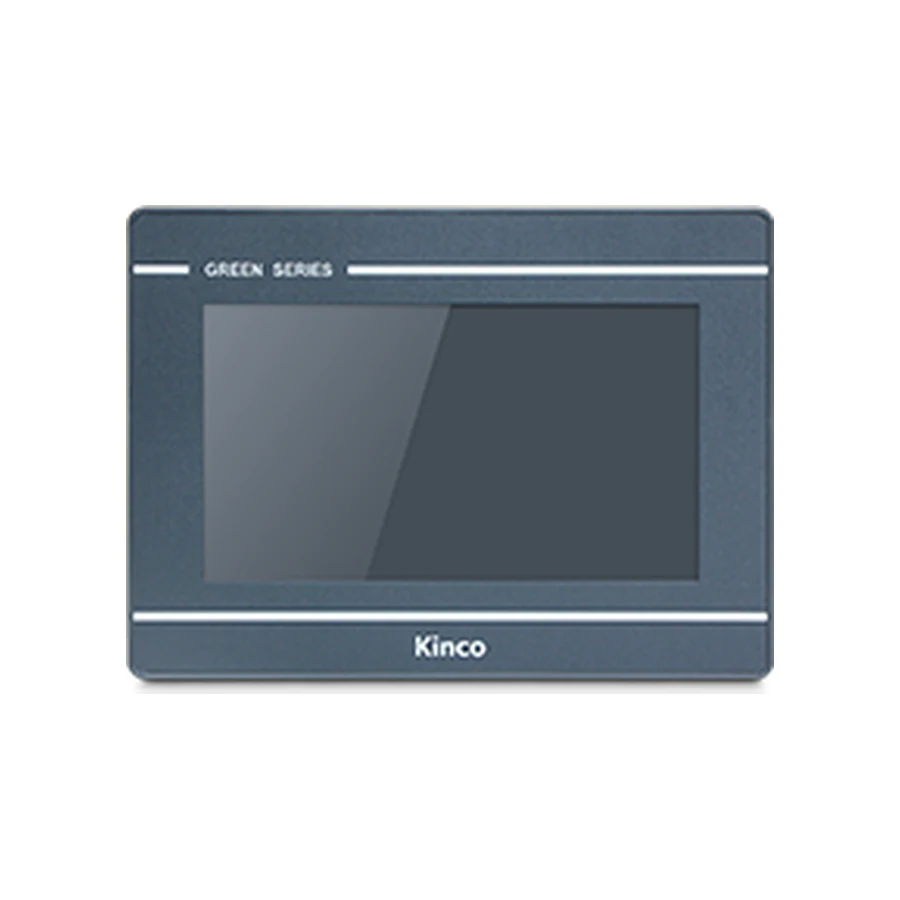
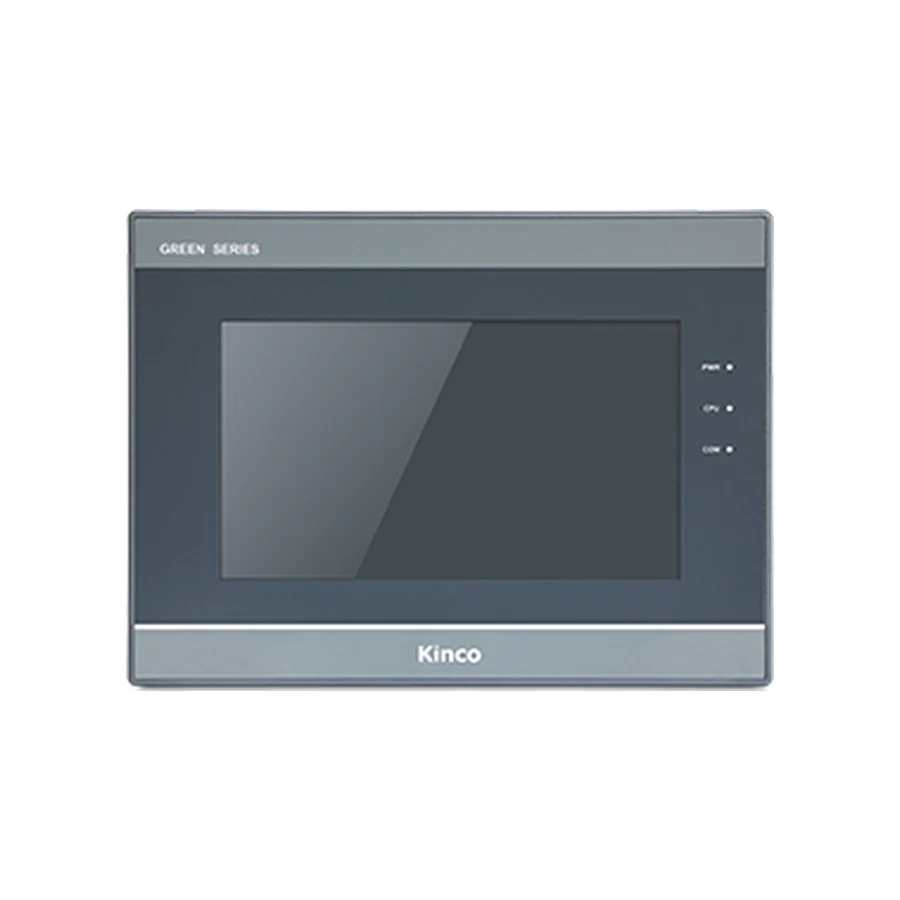
Two useful starting examples are MT4434T with GL070 and MT4434TE with GL070E. They preserve an important distinction between old codes and candidate interfaces. Assess the GL070 and GL070E specifications for the requested new code, and use the panel replacement checklist to structure the machine review.
Review MT4000 Replacement Suggestions
MT4434T and MT4434TE: Keep the Codes Separate
For MT4434T, the historical example points toward GL070. Treat that as a candidate to investigate. Compare the old serial connection, mounting arrangement and project with the proposed code instead of concluding that both panels are interchangeable.
MT4434TE is a separate enquiry. The corresponding example is GL070E, whose current catalogue record includes Ethernet. That socket does not by itself establish the old PLC protocol or driver support. Preserve the original connector photographs and communication configuration.
MT4230T and MT4532T Families: Match the Complete Suffix
MT4230T needs its own label and project record. The GL043 product group is a place to investigate documented candidates, but confirm the proposed complete code and mounting drawing before selecting it.
MT4230TE must retain the final E in the enquiry. Identify whether the machine actually uses Ethernet and which controller driver the project requires; a similar name cannot answer either question.
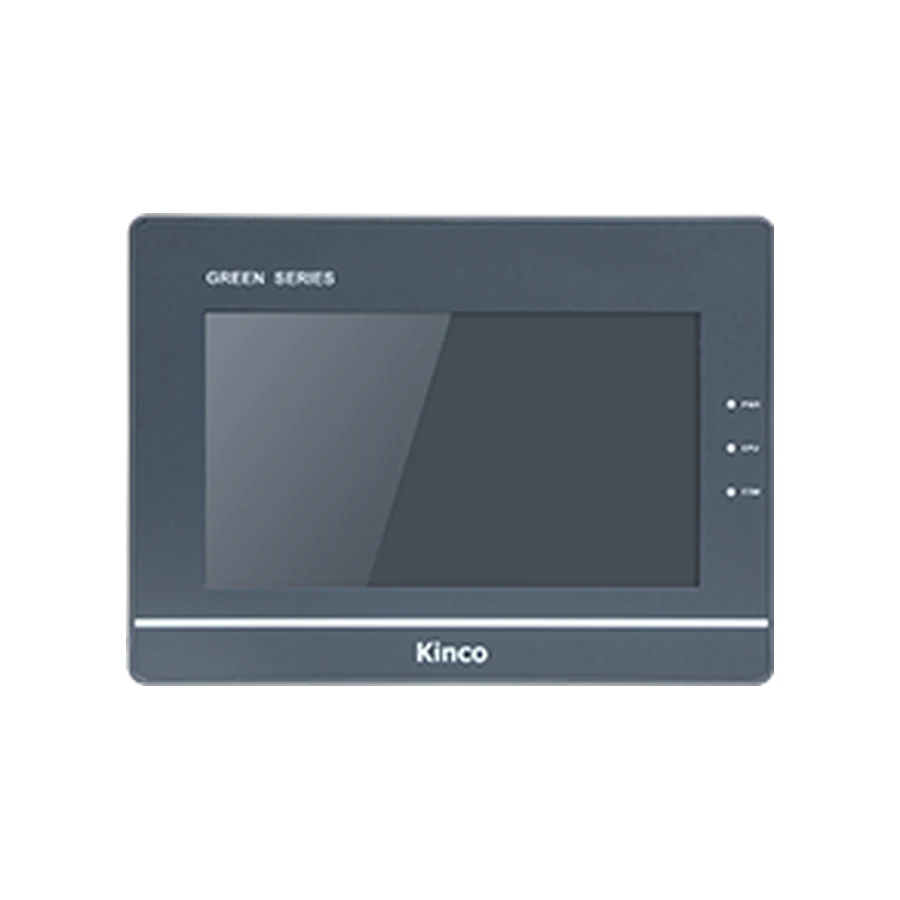
For MT4532T, request the old display format and measured opening. The GL100 product group supports candidate research once the replacement requirements have been documented.
For MT4532TE, carry its full suffix into every document request. Review network requirements independently from display resolution and cabinet fit. A recommendation for the T code must not silently cover the TE installation.
Other historical MT4000 entries need equally specific records. The following identification notes deliberately leave unverified target assignments open. They provide a clear place to start an enquiry without treating the full historical list as a current approval.
MT4210T: retain the original code and establish the installed panel dimensions. Request a dated replacement recommendation applicable to that code.
MT4220TE: document the actual network connection and old engineering package. Keep this record separate from MT4210T.
MT4300C: the historical notes flag a resolution difference for the suggested change. Compare the editable screens before approving a new display format.
MT4310C: preserve its distinct identity even where a historical entry resembles MT4300C. The recorded resolution warning still requires project review.
MT4300CE: retain CE exactly and identify the used interfaces. Review the recorded display-format concern alongside the communication requirements.
MT4404T: photograph the rear connections and retain cable references. Obtain the proposed target drawing before assessing existing cable reach.
MT4424TE: distinguish the panel label from similarly numbered models. Confirm the network driver and cabinet measurements for the actual installation.
MT4414T: do not substitute MT4434T in an enquiry. A transposed digit can lead to investigation of a different historical recommendation.
MT4414TE: preserve TE and identify every occupied communication channel. Treat the complete code as the unit of comparison.
MT4414TE-CAN: retain CAN and document the actual CAN protocol. A physical CAN connection alone cannot establish the required application support.
MT4512T: keep its record separate from the disputed MT4412TE/MT4512TE spelling discussed below. Photograph the label rather than correcting it from memory.
MT4513T: request a recommendation for this exact old code. Compare the resulting target independently from the related TE enquiry.
MT4513TE: identify whether network and serial connections are both used. Preserve the original driver selections for each device.
MT4522T: historical notes mention a higher-resolution candidate. Treat any recorded matching installation size as a drawing check, not machining approval.
MT4522TE: review the same resolution concern against this specific installation. An Ethernet requirement adds a separate driver and network assessment.
MT4523T: establish the exact connector arrangement and engineering project. Request supporting documentation before assigning a current target.
MT4523TE: retain the network configuration with the backup. Compare the full proposed code instead of assuming the T recommendation covers TE.
MT4720TE: the historical material expressly warns of different installation dimensions. Budget a cabinet assessment rather than describing the change as fitting the old opening.
Review MT5000 and Special-Interface Models
MT5320C-CAN has a historical CAN-related suggestion, but the applicable protocol and engineering project still need confirmation. Obtain the original recommendation and target manual before selecting hardware. Do not replace a CAN requirement with Ethernet simply because a candidate has a network socket.
MT5720T-MPI requires an MPI-specific investigation. Its historical suggestion cannot be extended to MT5720T-DP. The PLC CPU, communication module where fitted, driver and project release determine the connection requirements.
Rows marked NO, including MT5320C-DP, MT5323T-DP and MT5720T-DP, remain unresolved here. MT5-S7-300 is associated with a nonspecific historical description, not a complete target code. SZ, GR and older F080E/F104E/F150E references also need original documentation; no current product assignment is inferred from a similar name.
Check the Cabinet, Interfaces and Engineering Project
Measure the opening, inspect bezel coverage and allow room for body depth, connectors and clips. Confirm power requirements from the target manual. Preserve the original editable project and follow the documented process described in the project migration guide.
The responsible controls engineer should agree acceptance criteria before commissioning. Begin with read-only observations. Controlled writes require a designated nonhazardous test variable, a safe agreed machine state and PLC-side permissions and interlocks. Historical replacement suggestions do not authorize changes to machine safety logic.
Resolve Conflicting or Incomplete Model Records
MT4620TE, MT4412TE and MT5720T: Records Needing Review
MT4620TE appears with G121E in the provided image and G2121E2 in some reproduced material. Both names remain conflicting references, not confirmed targets. MT4412TE appears in one source while another writes MT4512TE; the spelling must be resolved against original evidence. MT5720T combines a NO status with F150E in the target column. That contradiction must not be converted into YES.
Prepare the Old-Panel Information for an Inquiry
Send label photographs, connector details, cabinet measurements, controller information and the editable project if available. Use the backup and recovery guide to distinguish source files from recoverable runtime data. Request a quotation only after identifying the proposed complete code, with quantity and destination included. Keep uncertain historical entries visible until the supporting documents resolve them.
Engineering Documentation and Continuous System Verification
Sustaining high operational reliability across complex automated installations requires maintaining comprehensive technical documentation throughout the service life of connected machinery. Field service engineers and plant automation teams should establish standardized maintenance logbooks recording exact hardware model codes, installed firmware revisions, communication baud rates, and specific driver offset settings. When modifications are made to PLC data blocks or supervisory polling tags, documentation updates must be performed concurrently to prevent conflicting technical records during future troubleshooting interventions.
Regular diagnostic testing should be scheduled during planned facility maintenance windows. Engineering personnel should evaluate network packet error rates, verify that historical alarm buffers log timestamped events accurately, and conduct controlled communication recovery drills by momentarily disconnecting field cables to confirm automatic reconnect behavior. Documenting verified recovery procedures and technical ownership ensures that production downtime remains minimized across all operating shifts.